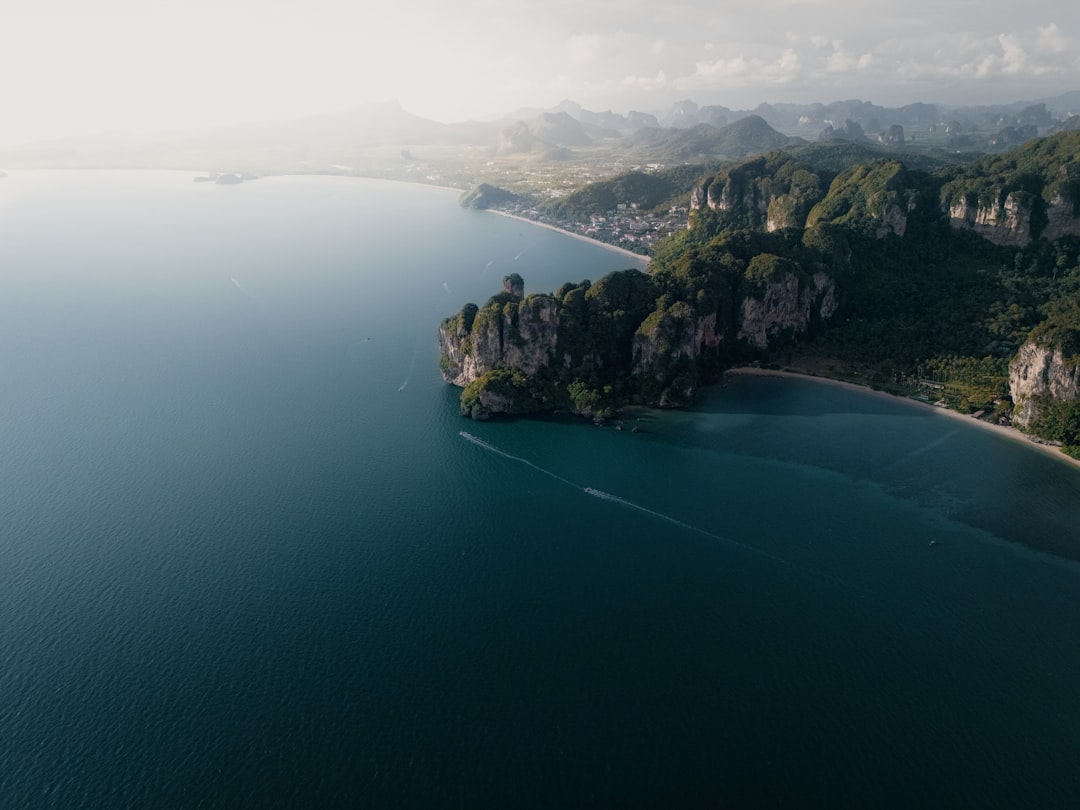
Krabi's limestone cliffs are some of the best climbing destinations in the world. The karst towers rising straight out of the Andaman Sea create a setting that's hard to beat — you're climbing with turquoise water below and jungle canopy above.
Railay and Tonsai are the two main climbing areas, separated by a 15-minute jungle trail. Between them, there are over 700 bolted routes ranging from beginner-friendly 5a to project-level 8b+. Whether you've never touched a rock or you're chasing hard sport routes, Krabi delivers.
Railay vs. Tonsai — Which Base?
Railay
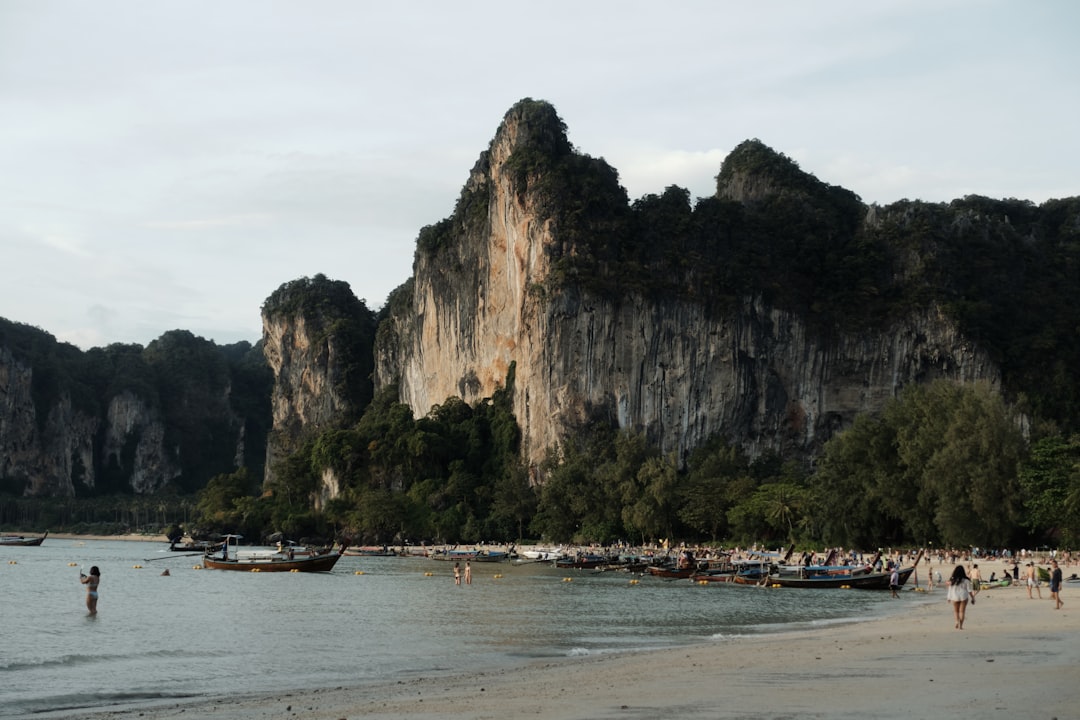
The more developed side. Railay has proper hotels, restaurants, and two stunning beaches (Railay West and Railay East). The climbing here is concentrated around the south end of the peninsula, with routes on the cliffs between Railay and Phra Nang Cave Beach.
Choose Railay if: You want comfort, good food, and easy beach access between climbing sessions. Accommodation ranges from ฿800 to ฿5,000/night.
Tonsai
The climber's village. Tonsai is rougher around the edges — basic bungalows, reggae bars, and a community of long-term climbers. The climbing is more varied here, with walls ranging from overhanging caves to vertical slabs. The vibe is laid-back and social.
Choose Tonsai if: You're a dedicated climber, you're on a budget (฿300–800/night), and you want to meet other climbers. The trail from Tonsai to Railay takes 15 minutes through the jungle (headlamp needed after dark).
Best Climbing Areas by Level
Beginners (5a–5c)
Muay Thai Wall (Railay): The most popular beginner wall. Well-bolted routes with big holds and a flat base. Routes are 15–20 meters with easy top-outs. The wall faces east, so it's shaded in the afternoon.
One-Two-Three Wall (Tonsai): A short walk from Tonsai beach with a dozen routes in the 5a–6a range. Good for warming up or learning to lead.
Intermediate (6a–6c)
Thaiwand Wall (Railay): Stunning overhanging wall with routes that follow tufa features and stalactites. The classic route "Humanality" (6b+) is one of the most photographed climbs in Thailand — you traverse above the ocean on a natural rock bridge.
Fire Wall (Tonsai): A steep cave with powerful moves on pockets and tufas. Routes here are pumpy and physical. "Fire" (6c) is a Tonsai classic.
Advanced (7a+)
Ao Nang Tower: A freestanding limestone tower accessible by boat. Multi-pitch routes with exposed positions and incredible views. Not for the faint-hearted.
The Keep (Tonsai): Severely overhanging cave with some of the hardest routes in Thailand. "Groove Tube" (7c+) and "Orangutan" (8a) are bucket-list sends.
Guided Climbing vs. Self-Guided
Guided (Recommended for Beginners)
Half-day courses run ฿800–1,200 ($22–34) and include gear, instruction, and 3–4 routes. Full-day courses are ฿1,500–2,000 ($42–56). The main operators:
- Basecamp Tonsai — The original. Great instructors, well-maintained gear.
- King Climbers — Based at Railay. Professional setup with good beginner programs.
- Real Rocks — Smaller operation with personalized attention.
All operators provide harness, shoes, chalk, and rope. You just show up.
Self-Guided (Experienced Climbers)
Bring your own gear or rent from shops in Tonsai (harness ฿200/day, shoes ฿150/day, rope ฿300/day). A guidebook is essential — pick up "King Climbers Guidebook to Railay" at any climbing shop. It covers every route with topos and grades.
When to Climb
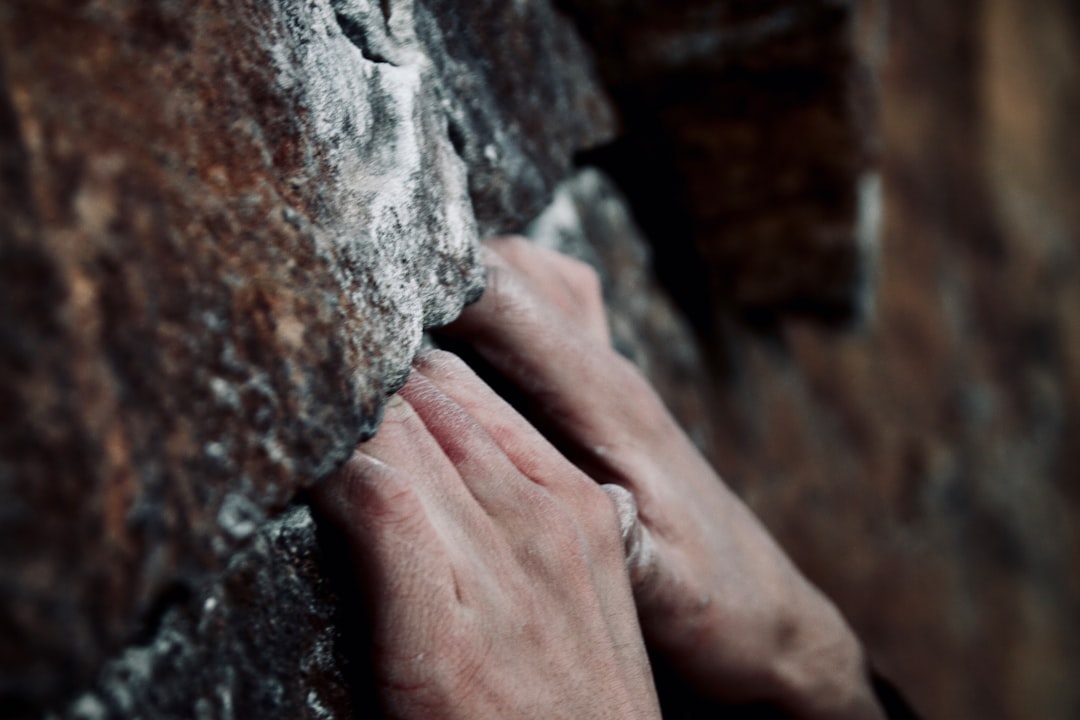
Best season: November–March. Dry weather, cooler temperatures, and the rock is dry. December–February is peak climbing season — expect crowds on popular routes.
Avoid: May–October. Monsoon brings heavy rain. The rock gets slippery and some routes are dangerous when wet. Tonsai bungalows may close. However, if you get a dry spell, the cooler temps and empty walls make for great climbing.
Time of day matters. Most walls face east or south. Climb in the morning for shade on east-facing walls, afternoon for south-facing. Avoid midday — the humidity and heat make hard climbing miserable.
What to Bring
- Climbing shoes (if you have them — rental shoes are worn out)
- Chalk bag and chalk
- Headlamp (for the Tonsai–Railay trail after dark)
- Reef-safe sunscreen (you'll be in the sun between routes)
- 2+ liters of water per session
- Light long sleeves (limestone is sharp on forearms)
Getting There
From Ao Nang, take a longtail boat to Railay West (฿100, 15 minutes). From Krabi Town, longtails depart from Khlong Jilad Pier (฿150, 45 minutes). During monsoon season, boats may not run if seas are rough — check conditions before heading out.
There's no road access to Railay or Tonsai. Everything arrives by boat.
Budget Breakdown
A climbing-focused trip to Krabi is surprisingly affordable:
- Tonsai bungalow: ฿300–800/night (~$8–22)
- Half-day guided climb: ฿800–1,200 (~$22–34)
- Meals at Tonsai: ฿60–120/meal (~$1.70–3.40)
- Gear rental (full day): ฿500–700 (~$14–20)
- Longtail boat from Ao Nang: ฿100 each way (~$2.80)
A week of climbing at Tonsai with guided sessions costs roughly ฿10,000–15,000 (~$280–420) all-in. That's hard to beat anywhere in the world.