The Similan Islands are known for brilliant water, white-sand beaches, rounded granite boulders, and rich marine life. They are often described as a diving destination, but our 2006 visit showed how rewarding the islands can be from the surface too.
This guide combines a personal February/March 2006 memory with current planning information. Park rules, access, accommodation, and operating dates can change, so use the official links at the end of the guide before booking.
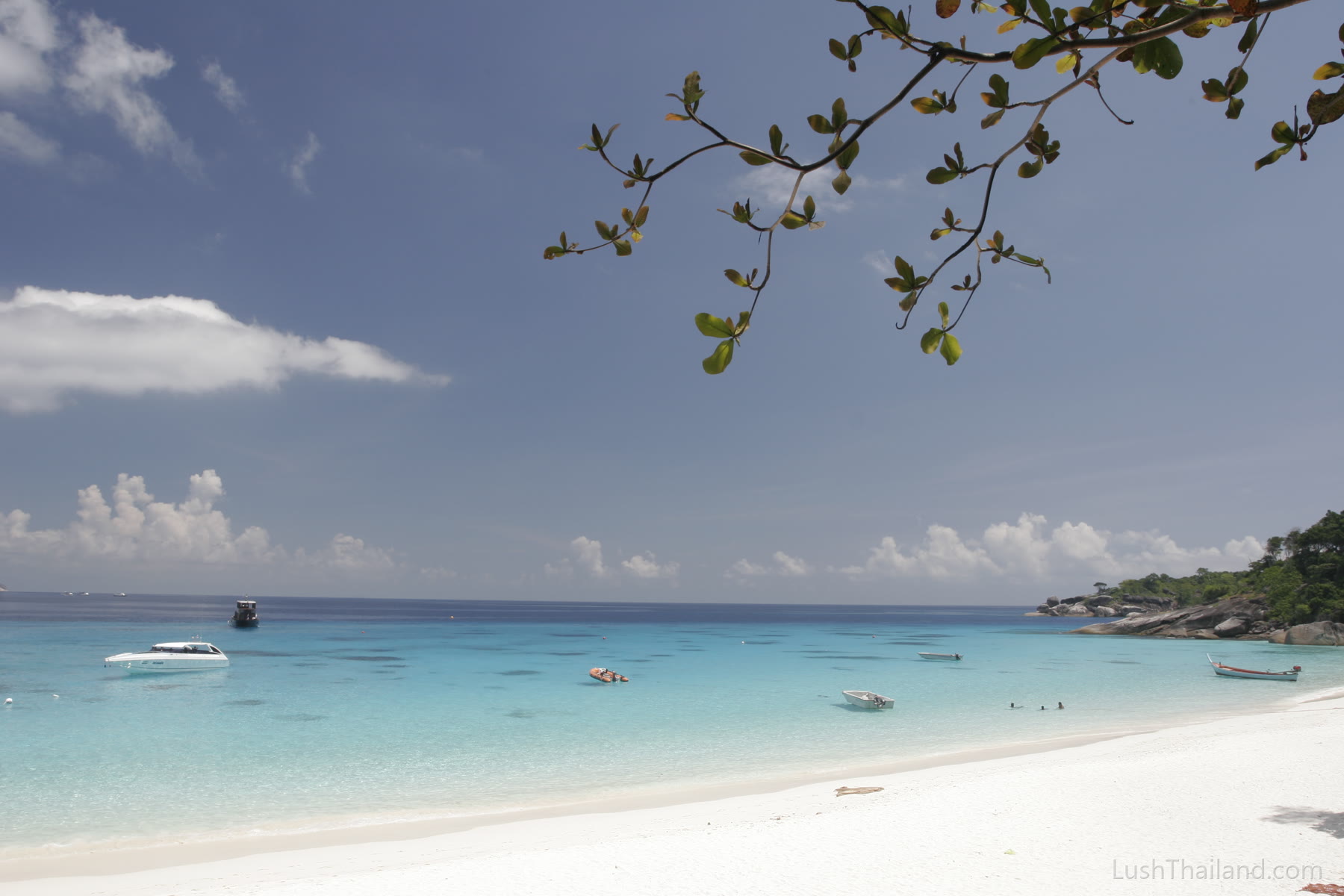
A slower kind of island escape
When we visited, the experience felt simple and close to the park itself. We stayed in park accommodation - tents or rooms arranged through the national-park service - and spent the day moving between beach, water, and the small places where visitors gathered for food.
That is an important part of this story, because the Similan Islands have changed since then. The photographs show our trip as it was in 2006; they are not a promise that the same accommodation or facilities are available today.
Snorkeling above a famous dive destination
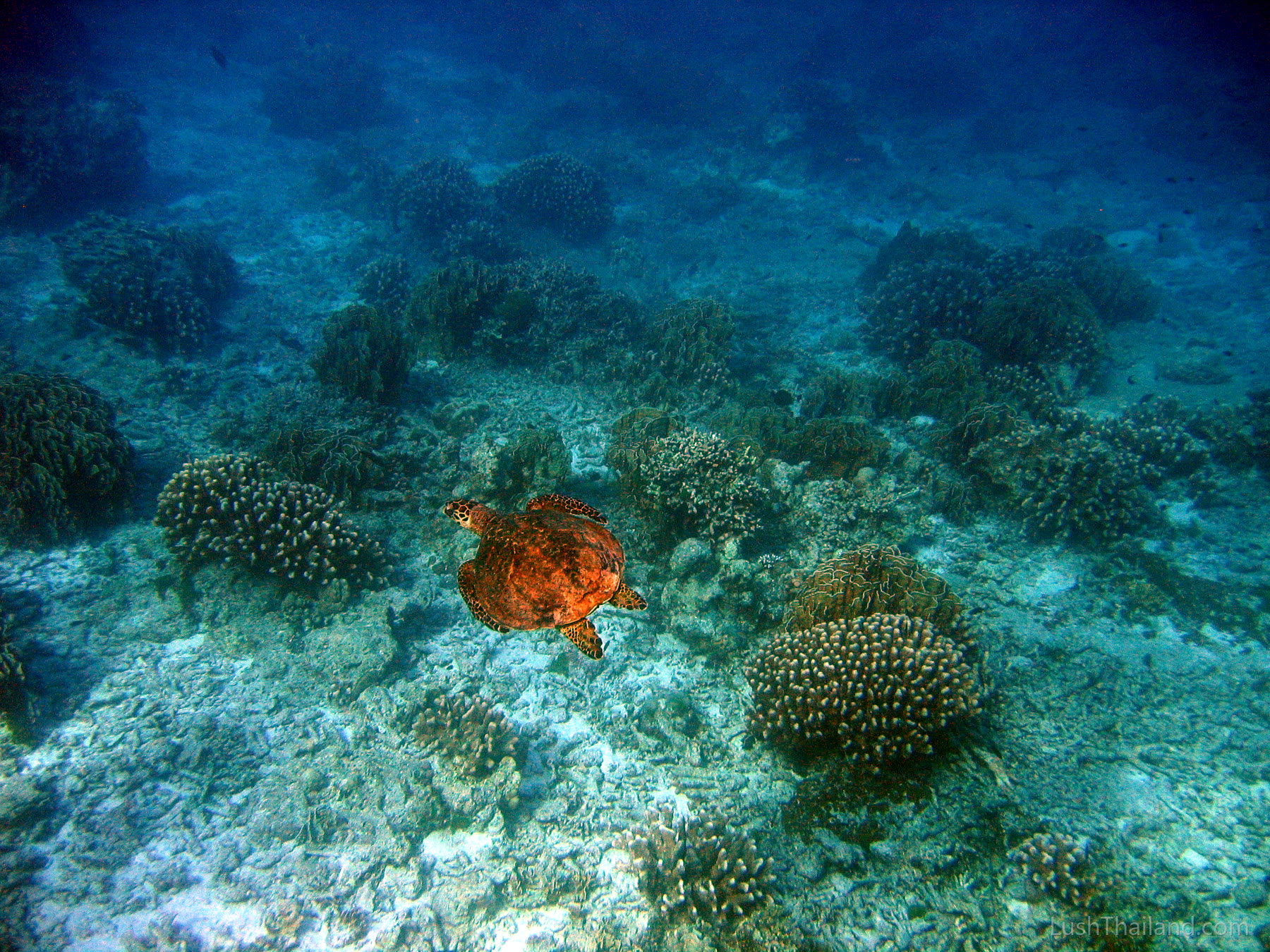
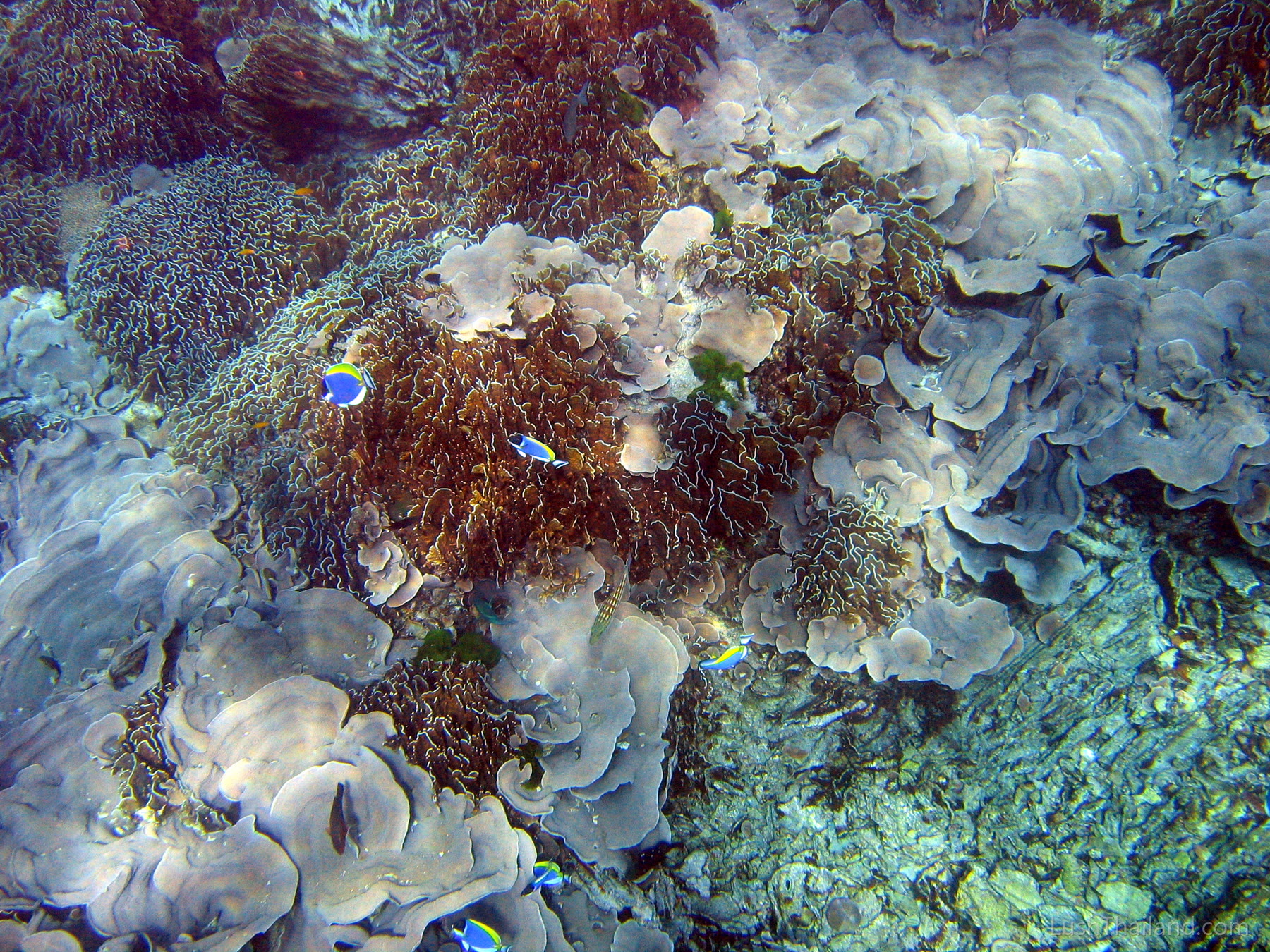
These underwater photographs were taken while snorkeling, not scuba diving. Even from the surface, the reef was full of movement: coral formations, schools of fish, and a sea turtle moving across the seafloor.
The Similans are famous for diving, but snorkelers can still experience the clarity and color that make the archipelago special. Conditions vary with weather, tide, current, and the day’s route, so follow the instructions from the park staff and boat crew rather than swimming beyond marked or supervised areas.
Beaches, forest, and granite shorelines
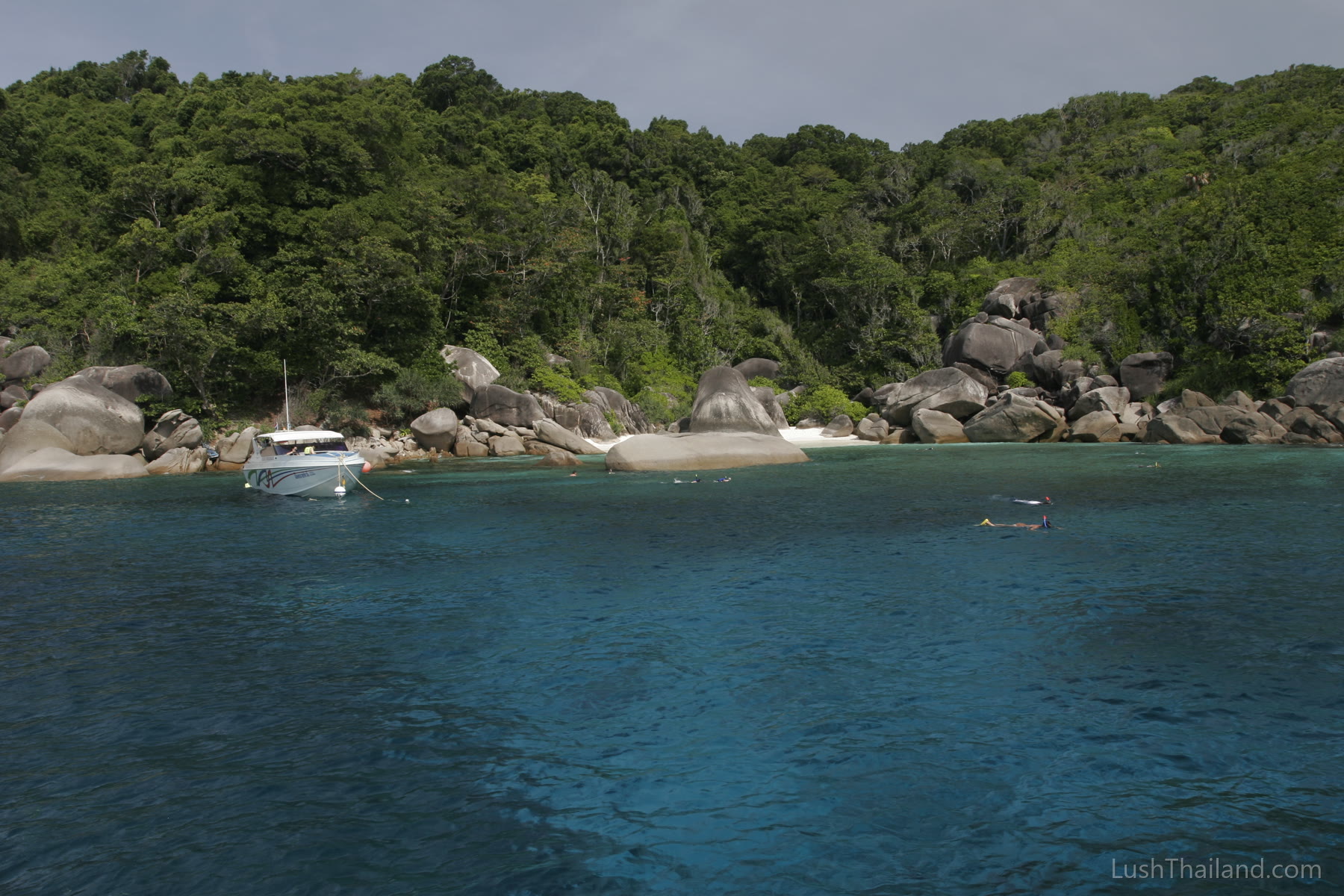
Above the water, the islands are just as distinctive. Dense green forest meets smooth granite boulders and clear bays. The combination feels different from the limestone scenery around Krabi and Phi Phi.
The park is associated with nine original islands, while current visitor information also discusses Ko Bon and Ko Tachai within the wider park area. Access and landing rules are not the same for every island, so treat the daily itinerary as something set by the park and tour operator.
Food and simple island facilities
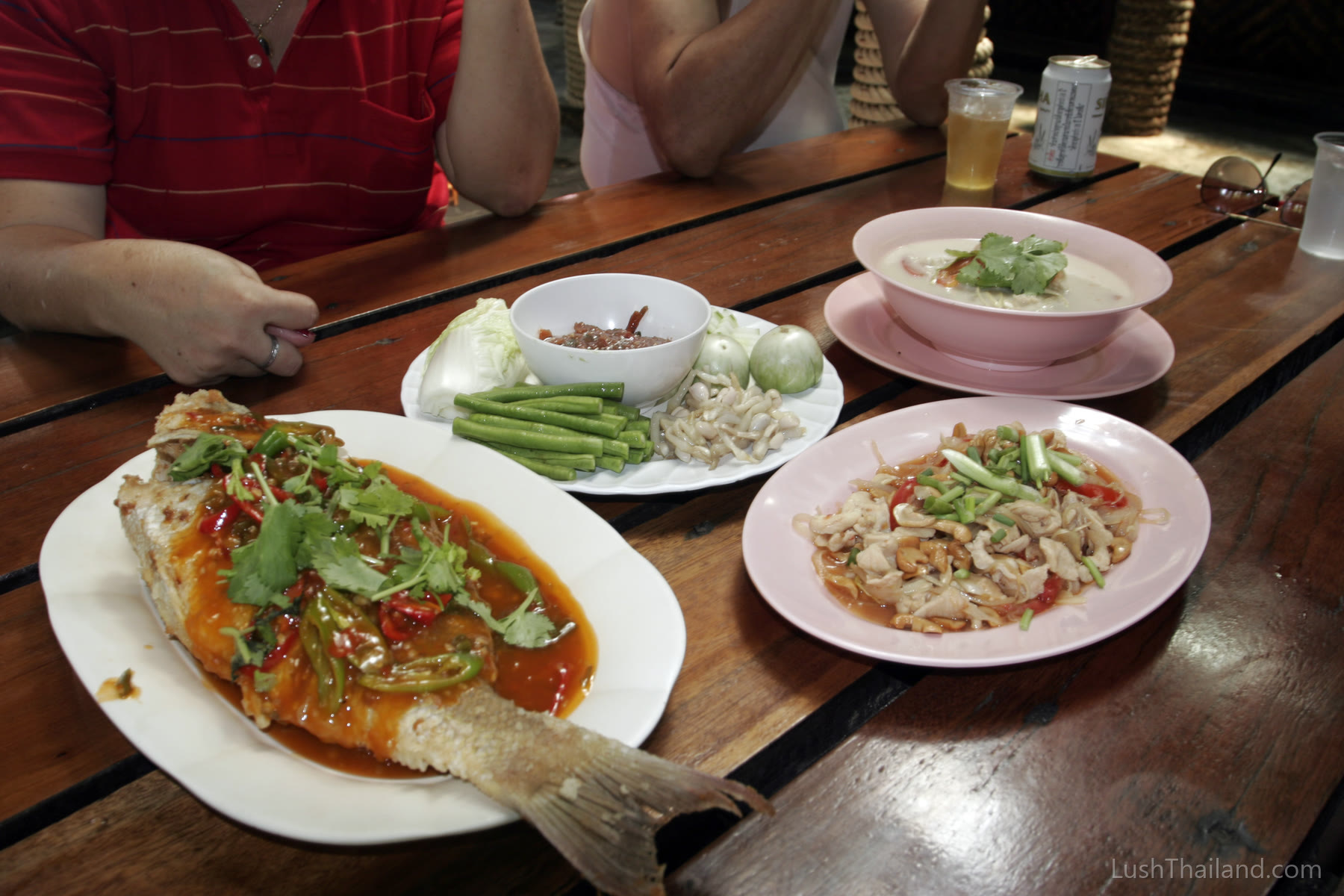
Our visit also included meals in the park's informal restaurant or cafe setting. The food was part of the experience: practical, communal, and welcome after time in the water.
The photograph below is a record of that 2006 meal. It should not be read as a claim that the same restaurant, menu, or service remains unchanged.
How to reach the Similan Islands today
Most visitors now reach the islands on an organized day trip from the Tap Lamu area in Phang Nga. Speedboats and catamarans are commonly used, and current Tourism Authority of Thailand information describes the crossing as roughly one and a half hours, depending on the service and sea conditions.
For a practical trip, confirm all of the following before paying:
- The departure pier and hotel-transfer arrangements
- Whether the price includes park entry, lunch, snorkeling equipment, and drinks
- The expected crossing time and weather cancellation policy
- The islands or beaches included in that day's route
- The current season dates and any visitor restrictions
Season, closures, and current accommodation rules
The current visitor season is generally listed as October 15 through May 15, with the park closing during the southwest monsoon period. Dates can change, so check the official park information before choosing travel dates.
When we visited in 2006, we stayed in tents or rooms booked through the national-park service. The current Tourism Authority of Thailand page says overnight stays are not presently permitted on the islands, while the Department of National Parks park page still provides the official place to check current services and reservation-related information. Those sources should be checked together before planning an overnight stay.
In practical terms, travelers should be prepared for a mainland base around the Andaman coast and a day trip to the park unless the national park confirms otherwise for the dates being considered.
Travel responsibly
The Similan Islands are a protected marine environment. Do not touch coral, feed fish, collect shells, leave litter, or ignore temporary closures and staff instructions. Use reef-safe habits where possible, carry reusable water, and keep a respectful distance from wildlife.
Official information and reservations
For current rules, access, facilities, operating dates, and reservation information, check both official sources:
- Tourism Authority of Thailand - Similan Islands
- Department of National Parks - Mu Ko Similan National Park
The DNP page is the official park page and links into the national-park reservation system. Confirm current overnight availability directly before making plans, because the rules and available services may differ from the experience recorded here from 2006.