Chiang Mai has been the digital nomad capital of Southeast Asia for over a decade, and for good reason. Fast internet, cheap co-working spaces, incredible food, and a cost of living that lets you save money while living well. The infrastructure for remote work here is more developed than most Western cities.
This guide covers the practical side — where to work, where to live, what it costs, and the things nobody tells you until you arrive.
Why Chiang Mai Works for Remote Workers
The numbers speak for themselves:
- Internet: 100–500 Mbps fiber in most apartments and co-working spaces
- Cost of living: ฿20,000–35,000/month (~$560–980) for a comfortable lifestyle
- Co-working spaces: 50+ options from ฿100/day to ฿3,000/month
- Time zone: UTC+7 — overlaps with European mornings and Australian afternoons
- Visa: 60-day tourist visa + 30-day extension = 90 days. Thailand's DTV (Digital Nomad Visa) offers 180 days.
Best Neighborhoods
Nimman (Nimmanhaemin)
The nomad hub. Nimman is a grid of trendy sois packed with cafes, co-working spaces, restaurants, and boutique shops. MAYA Mall anchors the area with a cinema, food court, and the CAMP co-working space on the top floor. Walking distance to everything you need.
Rent: ฿8,000–15,000/month for a studio or one-bedroom condo. Vibe: Young, international, cafe-hopping culture.
Old City
Inside the ancient moat walls. The Old City is quieter than Nimman, more culturally rich, and slightly cheaper. Temples on every corner, the Sunday Walking Street market, and a slower pace. Fewer co-working spaces but plenty of cafes with good WiFi.
Rent: ฿5,000–10,000/month. Vibe: Cultural, peaceful, backpacker-adjacent.
Santitham
Just north of the Old City. Santitham is where long-term nomads settle — it's cheaper than Nimman, less touristy than the Old City, and has a growing cafe scene. The local markets here are excellent and untouched by tourism.
Rent: ฿5,000–9,000/month. Vibe: Local, residential, great value.
Co-Working Spaces
CAMP (MAYA Mall, 5th Floor)
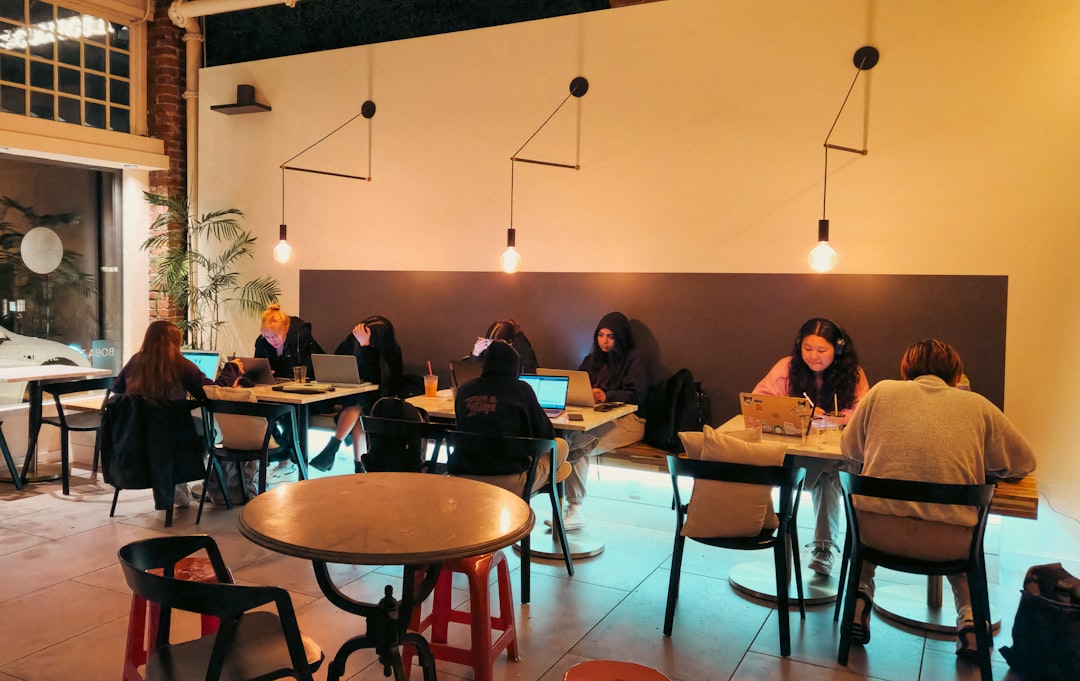
Free co-working by AIS (Thai telecom). Fast WiFi, power outlets, and air conditioning. The catch: it gets crowded after 2pm and there's no booking system — first come, first served. Good for a few hours, not a full workday.
Cost: Free (buy a drink from the cafe).
Punspace (Multiple Locations)
The most popular paid co-working in Chiang Mai. Clean, professional, fast internet (200+ Mbps), meeting rooms, and a solid community. The Nimman location is the flagship; the Tha Phae Gate location is quieter.
Cost: ฿200/day, ฿2,500/month.
Yellow Co-Working
A newer space in Nimman with a modern design, standing desks, and a rooftop area. Smaller community but less crowded than Punspace. Good for focused work.
Cost: ฿250/day, ฿3,000/month.
Cafe Working
Chiang Mai's cafe culture is built for laptop workers. Most cafes have fast WiFi, power outlets, and don't mind you staying for hours if you order regularly. Top picks:
- Ristr8to — Award-winning coffee, fast WiFi, Nimman.
- Graph Cafe — Old City, great atmosphere, reliable internet.
- Rustic & Blue — Santitham, quiet, excellent pastries.
Expect to spend ฿80–150 per cafe session on drinks.
Monthly Cost Breakdown
Here's what a comfortable nomad lifestyle costs in Chiang Mai:
| Category | Budget | Mid-Range | Comfortable |
|---|---|---|---|
| Rent (condo) | ฿5,000 | ฿10,000 | ฿15,000 |
| Co-working | ฿0 (cafes) | ฿2,500 | ฿3,000 |
| Food | ฿6,000 | ฿9,000 | ฿12,000 |
| Transport | ฿1,500 | ฿3,000 | ฿5,000 |
| Phone/Internet | ฿500 | ฿700 | ฿1,000 |
| Entertainment | ฿2,000 | ฿4,000 | ฿6,000 |
| Total | ฿15,000 | ฿29,200 | ฿42,000 |
| USD equiv. | ~$420 | ~$818 | ~$1,176 |
These are real numbers, not aspirational. The ฿15,000 budget is tight but doable if you eat local food and skip the cocktail bars. The ฿29,000 mid-range is the sweet spot — comfortable condo, co-working membership, eating out daily, and weekend activities.
Practical Tips
Get a Thai SIM card immediately. AIS or DTAC tourist SIMs cost ฿300–600 for 30 days with unlimited data. You'll need it for Grab, food delivery apps, and backup internet.
Rent month-to-month. Don't sign a long lease until you've tried a neighborhood. Most condos offer monthly rates without contracts. Facebook groups like "Chiang Mai Digital Nomads" have rental listings daily.
Join the community. Chiang Mai has regular nomad meetups, coworking events, and skill-share sessions. The Nomad Coffee Club (Tuesdays at Punspace) is a good starting point.
Visa runs are real. If you're on a tourist visa, you'll need to leave Thailand every 90 days. Laos (Vientiane) and Malaysia (Penang) are the most common visa run destinations. Budget ฿5,000–8,000 per run.
The burning season is no joke. February through April, agricultural burning creates severe air pollution. AQI regularly exceeds 200. Many nomads leave for the coast during this period. If you stay, invest in an air purifier (฿3,000–5,000) and an N95 mask.
Weekend Escapes
The best part of basing yourself in Chiang Mai is the weekend options:
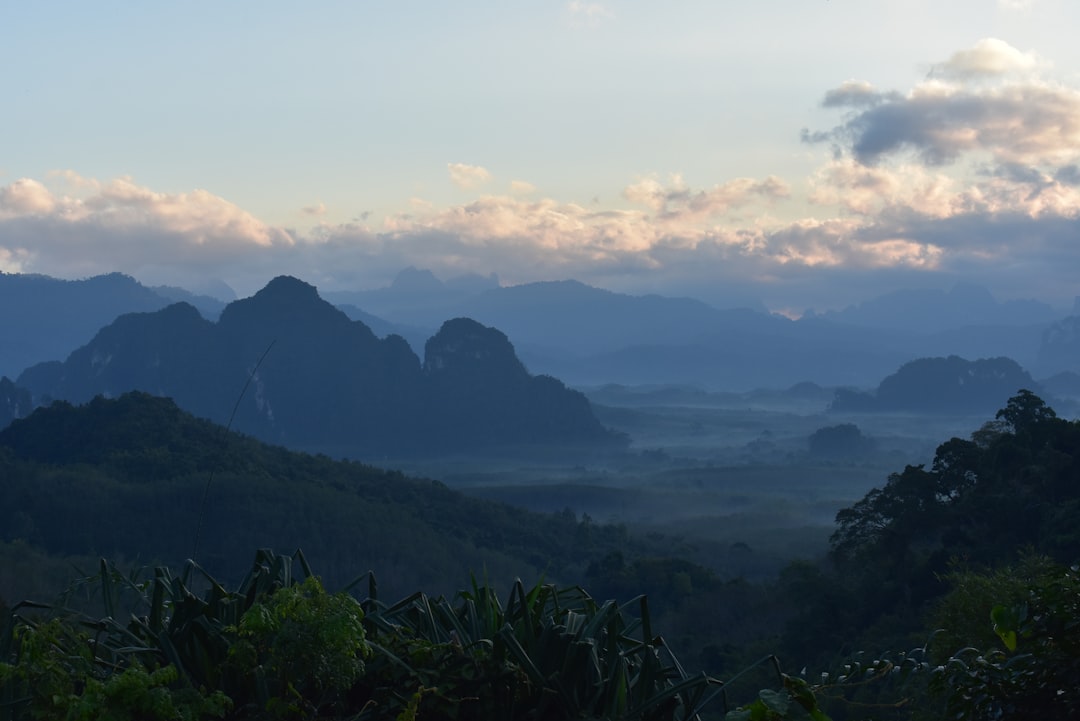
- Doi Inthanon — Thailand's highest peak, 2 hours away. Waterfalls, cloud forests, and hill tribe villages.
- Pai — Hippie mountain town, 3 hours by minivan (฿150). Hot springs, canyons, and a laid-back scene.
- Chiang Rai — White Temple, Blue Temple, Golden Triangle. 3 hours by bus (฿150–300).
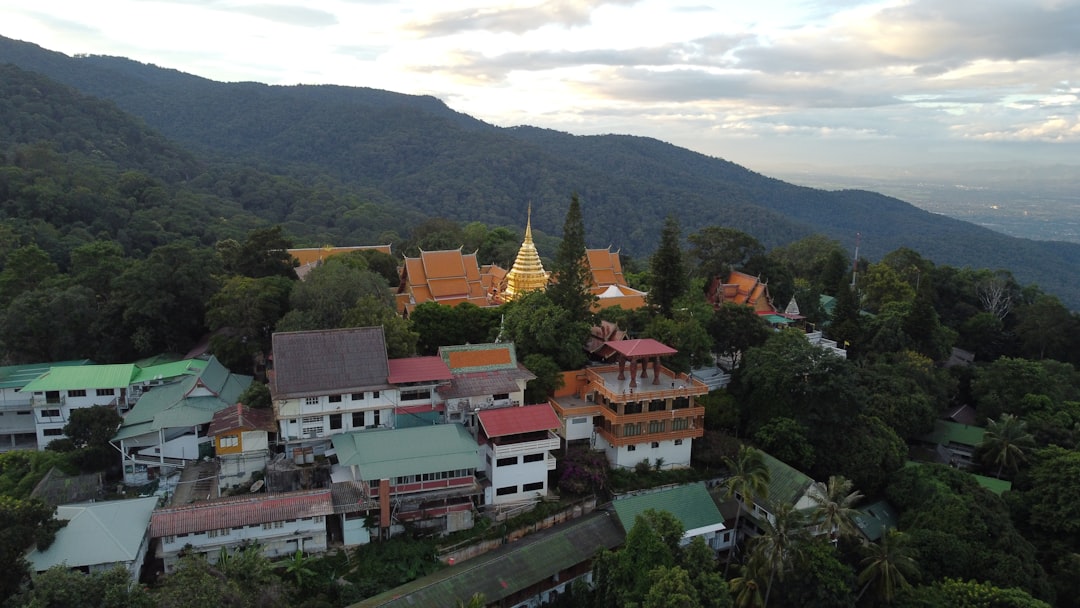
- Doi Suthep-Pui National Park — Right above the city. Hiking trails, waterfalls, and Hmong villages.
The Honest Take
Chiang Mai isn't perfect. The burning season is genuinely bad. The nightlife is limited compared to Bangkok. The dating scene is small. And after a few months, the "same same" routine of cafes and co-working can feel repetitive.
But for focused remote work with a high quality of life at a low cost, it's still the best option in Southeast Asia. The food alone is worth the flight.