Everyone visits Doi Suthep. It deserves the hype — the golden chedi, the 306 naga-flanked steps, the panoramic views. But Chiang Mai has over 300 temples, and some of the most rewarding ones sit quietly inside the Old City moat, visited by monks and locals rather than tour buses.
This guide covers the temples worth your time, how to visit respectfully, and the ones you can skip.
The Old City Essentials
Wat Chedi Luang
The partially ruined chedi in the heart of the Old City once held the Emerald Buddha (now in Bangkok's Grand Palace). At 60 meters, it was the tallest structure in Lanna for centuries. The evening monk chat program here is one of the best ways to learn about Thai Buddhism directly from young monks practicing their English.
Entry is free. Visit before 9am for near-empty grounds.
Wat Phra Singh
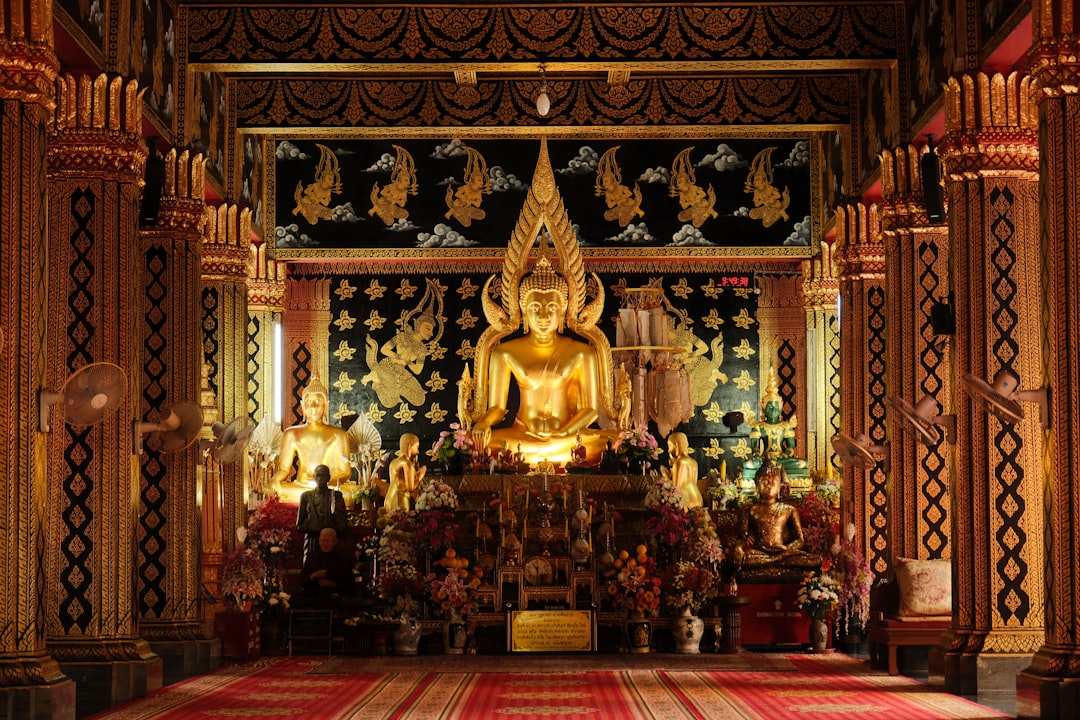
The most revered temple in Chiang Mai, housing the Phra Singh Buddha image. The Lai Kham chapel has some of the finest Lanna murals in Thailand — 19th-century paintings depicting daily life, court scenes, and Buddhist stories in vivid detail.
Entry: ฿40 (~$1). The murals alone are worth it.
Wat Chiang Man
The oldest temple in Chiang Mai, founded by King Mengrai in 1296 when he established the city. The elephant-buttressed chedi is unique in Thailand. Inside, two ancient Buddha images — one crystal, one marble — are considered the city's most sacred objects.
Hidden Gems Most Tourists Miss
Wat Umong
A forest temple 15 minutes west of the Old City with ancient tunnels (umong means tunnel) built in the 14th century. The tunnels contain faded murals and Buddha images. Above ground, a crumbling chedi sits in a peaceful forest with a small lake. Monks here practice meditation and welcome visitors who want to sit quietly.
No entry fee. Bring mosquito repellent.
Wat Suan Dok
A royal temple with a stunning white chedi field — dozens of small white stupas containing the ashes of Chiang Mai's royal family. At sunset, the white chedis glow against the Doi Suthep mountain backdrop. The temple also runs a popular meditation retreat for foreigners (2-day programs available).
Wat Lok Moli
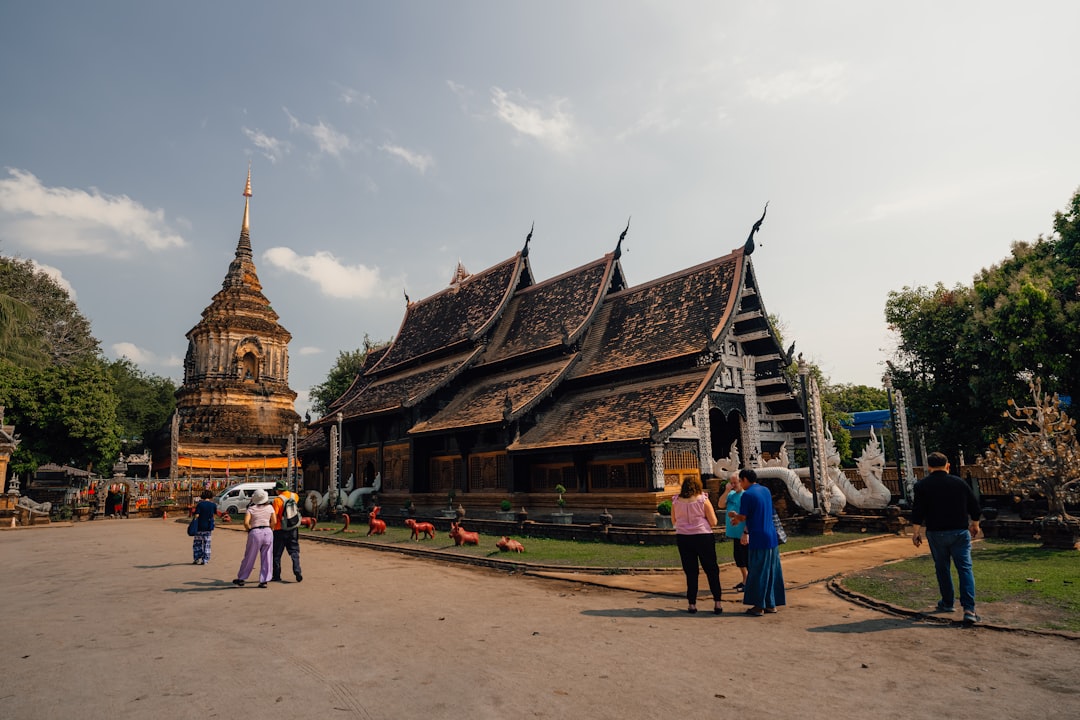
Just north of the Old City moat, this 14th-century temple is beautifully maintained but rarely crowded. The teak viharn has intricate Lanna woodcarving, and the grounds are shaded by massive rain trees. It's the kind of place where you can sit for an hour and hear nothing but birdsong.
Temple Etiquette
Dress code matters. Cover your shoulders and knees at every temple. Carry a sarong or light scarf — some temples provide wraps at the entrance, but not all.
Remove shoes before entering any building (viharn, ubosot, or chapel). Look for the pile of shoes at the door.
Never point your feet at a Buddha image. Sit with your legs tucked to the side or in a kneeling position.
Ask before photographing monks. Most are happy to pose, but it's respectful to ask first. Never touch a monk if you're female.
When to Visit
The cool season (November–February) is ideal — comfortable temperatures and clear skies. Avoid the burning season (February–April) when air quality drops significantly due to agricultural burning.
Early morning (7–8am) is the best time for any temple. You'll share the grounds with monks doing their morning routines rather than tour groups.
Budget Tips
Most Old City temples are free or charge ฿20–40 ($0.50–1). Doi Suthep is ฿30 ($0.85). You can visit 5–6 temples in a day for under ฿200 (~$6) total.
Rent a bicycle (฿50/day) to explore the Old City temples — everything is within a 2km radius. For temples outside the moat (Wat Umong, Wat Suan Dok), a songthaew ride costs ฿30–50 per person.